FREQUENTLY ASKED WITH DIRECTOR SETH RANDAL
HOW LONG DID THE RESEARCH TAKE?
1
Nearly six years. Historian Alan Virta and I collaborated on the research starting in the spring of 2000. Using public records and through networking, we discovered the outcomes of every man prosecuted and nearly all of the accusers. We had to find people 45 years after most of them left Boise. I wrote the script in June of 2005, and the film had its world premiere one year later at NewFest in New York City. We kept researching up until the very last minute.
ARE ANY OF THE MEN INVOLVED STILL ALIVE?
2
The last of the accused men, Jimmy Sales, died in 2008. He attended the world premiere of the film in New York, and it was a pleasure to have dinner with him afterward. His body was returned to Boise for burial, and he’s less than 20 feet away from another of the prosecuted men.
A handful of the accusers lived until the mid 2000s, but many of them passed away prematurely. All of the lawyers, judges and police officers have also died since completion of the film.
HOW OLD WERE THE ACCUSERS?
3
The average age was 17. The youngest accuser was a 14-year-old boy and the oldest was 21. In half of the the cases, the accuser was 18 or older.
TALK ABOUT THE FILM’S STYLE
4
Even after fifty years, the pain of these events still haunted many of the survivors and the families. I made a pledge to the people involved that I wouldn’t exploit their pain. So we focused on telling the story in a very fair, factual and straight-forward way.
The film uses contemporary footage, historical photographs and film, press reports, public records, letters written at the time, plus new and archival interviews -- including the only known interview with one of the prosecuted men.
HOW IS YOUR FILM DIFFERENT THAN “THE BOYS OF BOISE?”
5
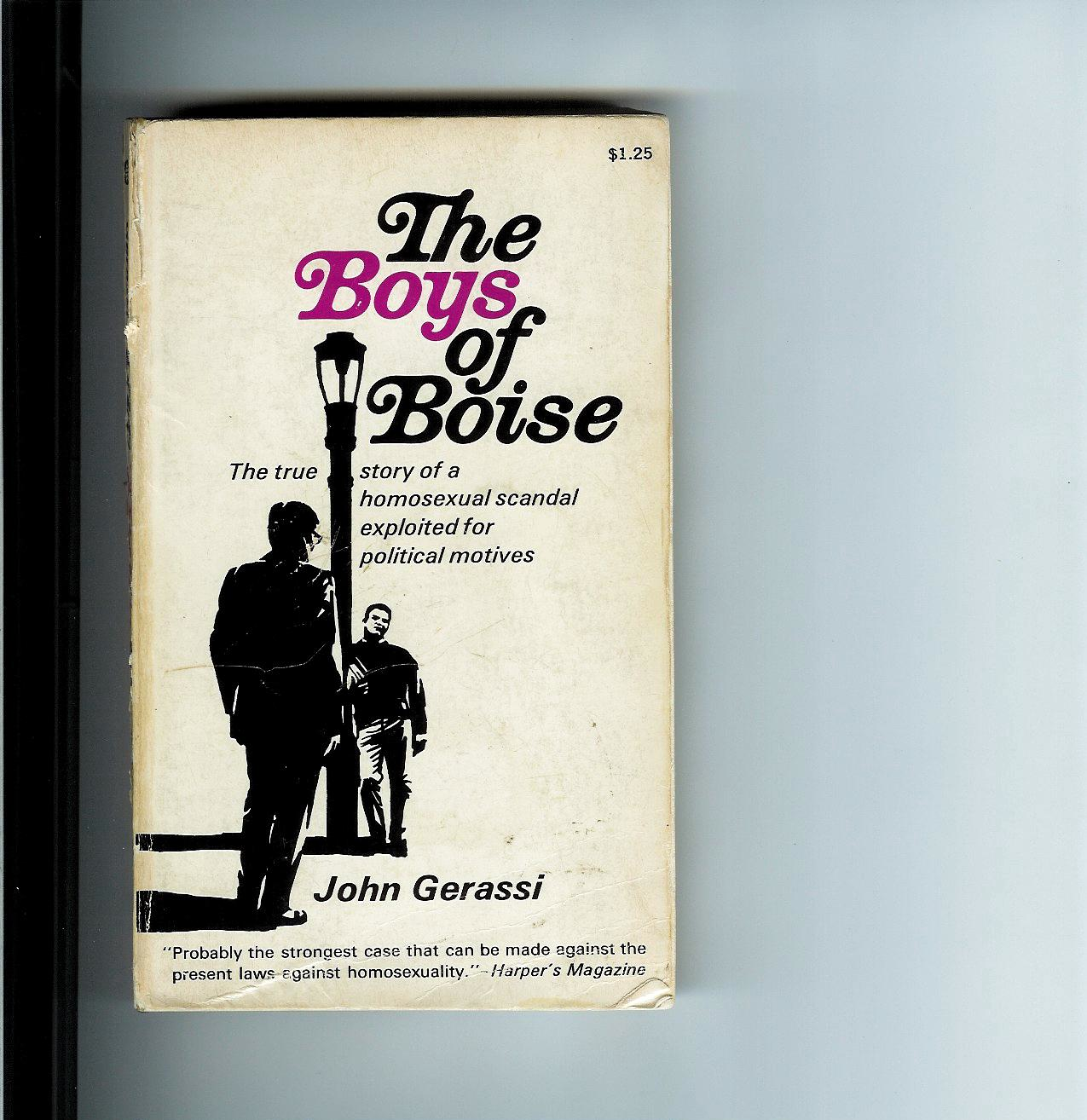
In 1966, John Gerassi’s book “The Boys of Boise” again brought these cases to the nation’s attention. Our film is independently researched, and we looked over many documents he had not previously seen. There are a lot of new details, including the story of what happened to a family who fled to Mexico.
News of the first arrests broke in the Idaho Evening Statesman, and Gerassi doesn’t include that newspaper in his reporting. It had some of the most dramatic headlines, and many details broke in the evening edition.
There was another chapter to these cases to be told -- what happened to the people involved, how did their lives change, what were the consequences? I discovered during the process that it was still too painful for many people to talk about the cases. Many people told me they felt previous accounts of the story had caused even more damage. So we made a film that sticks to the truth -- while still exploring the ongoing impact on lives, families and the community.
WHO WAS THE “BIG QUEEN?”
Gerassi’s book claimed the scandal was orchestrated to get a “big queen” in the community, who in the end was too powerful to catch. We spent over five years poring over these records, conducting interviews, researching the cases throughout Idaho and from San Diego to Washington, DC. There’s just no evidence to support the theory of a “big queen.” I certainly don’t believe the investigation was drummed up to go after one particular person.
The investigator, William Fairchild, used the concept of a “big queen” as an investigative tactic. Mel Dir, the last man arrested, said of his interrogation, "First they told me they understood I was the ringleader of this so-called teenage sex ring… that I was the instigator of all this… they were going to ask for life in prison for me because I was the ringleader… of course this was just to upset me and scare me and get me to talk." Fairchild apparently used this tactic on others as well.
6
WHY DON’T WE HEAR MORE FROM THE ACCUSERS?
7
During the research process, we located nearly all of the then- surviving accusers. I reached out to everyone we could locate and invited them to share their story. Each of them either refused to respond or declined to participate. We also reached out to the family members of several accusers, and they also declined to participate in the making of the film. I wish we had been able to include more of their perspectives.