
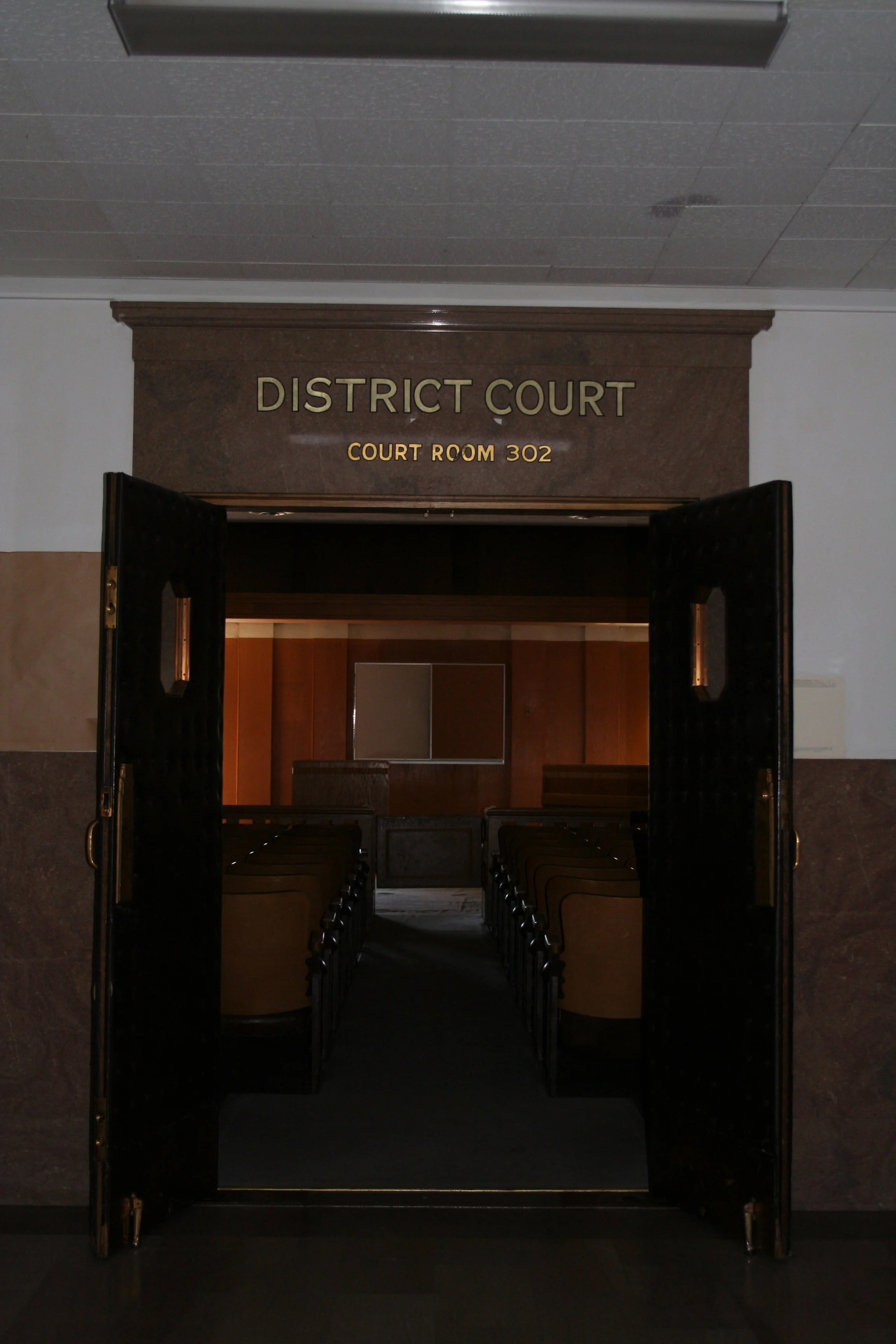
FOR EDUCATORS
TEACHING THE FALL OF ‘55
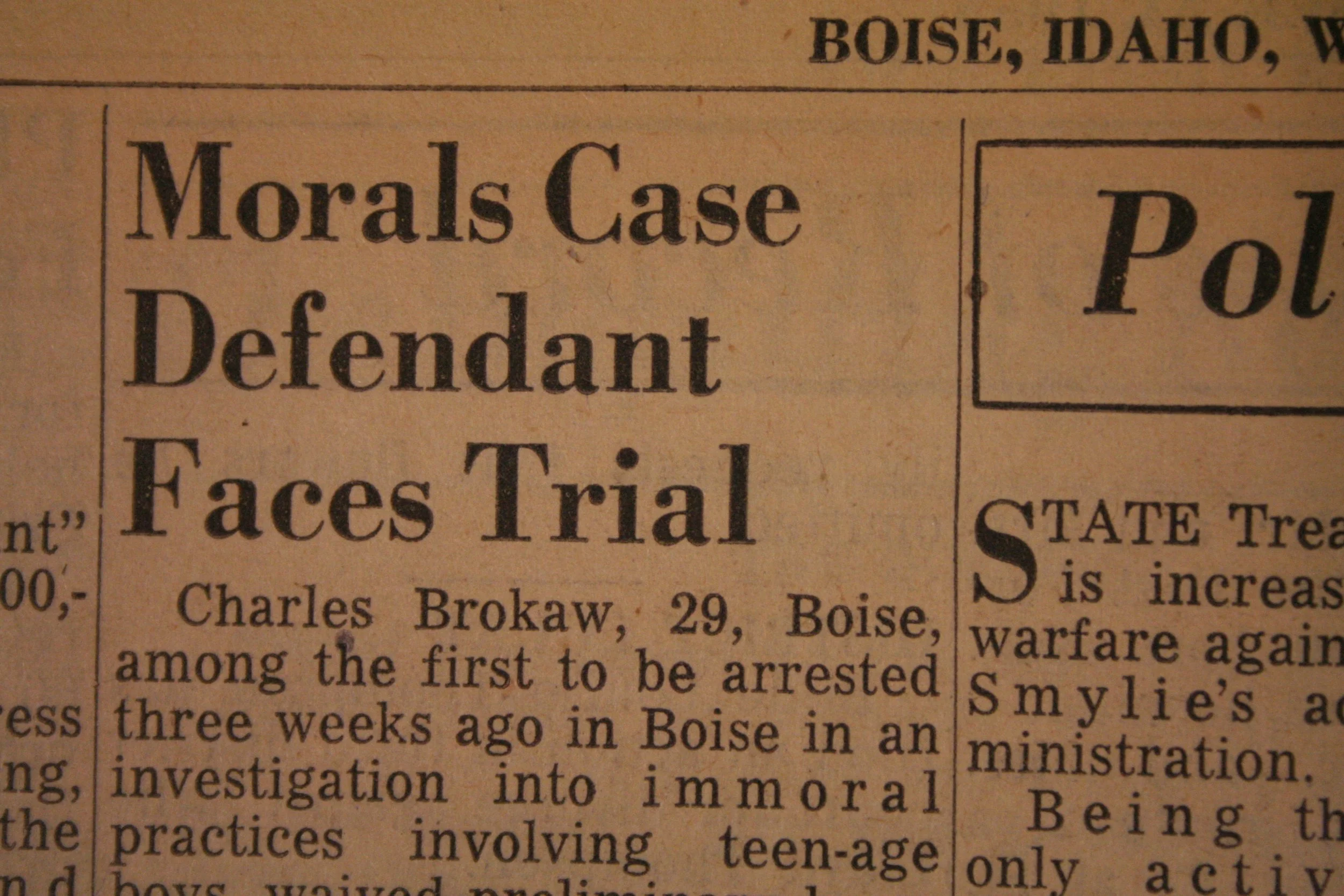
The Fall of '55 tells the true story of the 1955 “boys of Boise” scandal, one of the most significant yet least-known civil rights episodes in American history.
To support classroom use of the documentary, we've made available a free educator's study guide developed by Jennifer J. Schneider, Ph.D., with Boise State University and formerly with Colorado School of Mines. Designed for high school and college classrooms, the guide encourages students to examine the historical events portrayed in the film through the lenses of American history, media literacy, civil rights, constitutional freedoms, journalism, and ethics.

WHAT EDUCATORS ARE SAYING:
“’The Fall of ‘55’ is an invaluable window into a critical set of events in 20th century gay American history.”
— GAYLE RUBIN, ANTHROPOLOGY AND WOMEN’S STUDIES • U. OF MICHIGAN
Why teach the fall of ‘55?
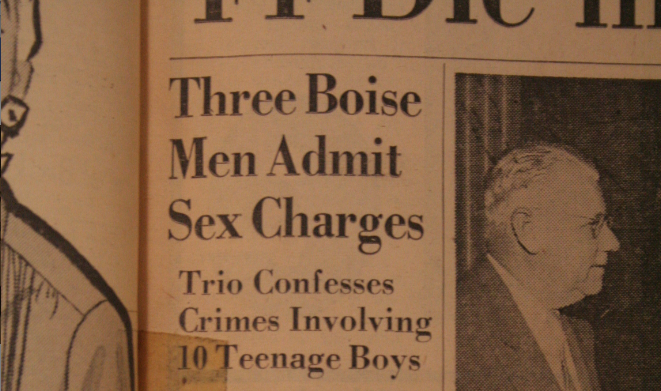
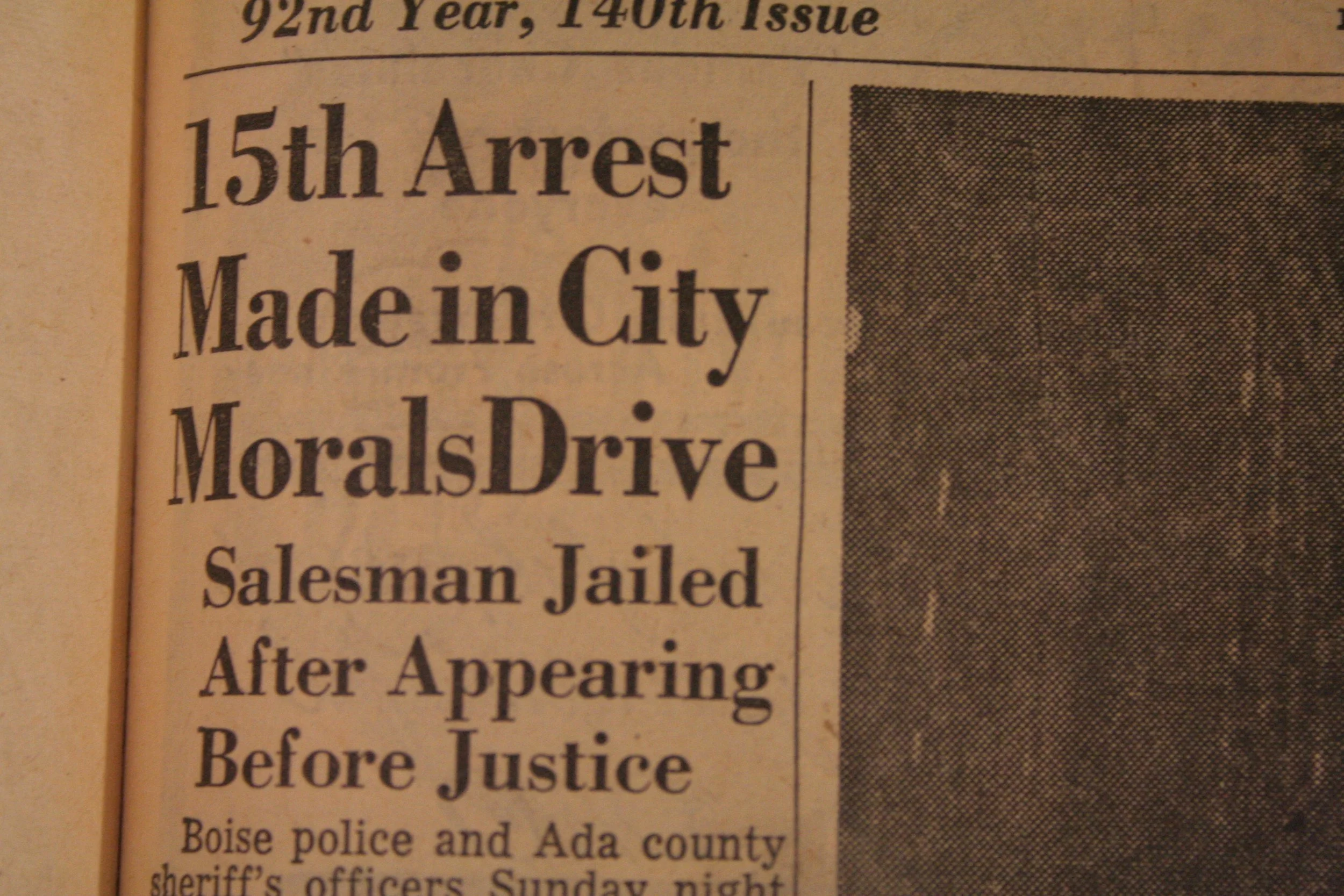
The Fall of '55 offers students an opportunity to explore a little-known chapter of American history while developing critical thinking skills that extend far beyond the events of 1955. Through historical documents, eyewitness accounts, and investigative reporting, the documentary encourages students to examine how fear, prejudice, government policy, and media coverage can shape public opinion and influence the lives of ordinary people.
The film is especially well suited for courses in:
U.S. History – Explore postwar America, McCarthyism, and the social climate of the 1950s.
Government & Civics – Examine constitutional rights, due process, and the relationship between government power and individual liberty.
Journalism & Media Literacy – Analyze the role of newspapers and broadcast media in shaping public perception, and discuss the ethical responsibilities of journalists.
LGBTQ History – Introduce students to an important but often overlooked chapter of American LGBTQ history that predates the Stonewall uprising by more than a decade.
Sociology & Psychology – Consider how fear, moral panic, and social pressures influence communities and institutions.
Political Science & Ethics – Discuss the balance between public safety, civil liberties, and democratic values during periods of political and cultural tension.
Although the documentary focuses on events in Boise, Idaho, the questions it raises are universal. Students are encouraged to think critically about how societies respond to fear; how historical narratives are constructed; and why preserving overlooked stories remains essential to understanding American history.
Perfect For Courses Such As
• Sociology
• Ethics
• Political Science
• American Government
• U.S. History
• Civil Rights History
• Media Literacy
• Journalism
• LGBTQ History

SUGGESTED CLASSROOM USE
• Watch the documentary over one or two class periods.
• Use the study guide before and after viewing.
• Analyze the primary source documents.
• Compare the Boise scandal to McCarthyism and the Lavender Scare.
• Discuss the role of journalism in shaping public opinion.
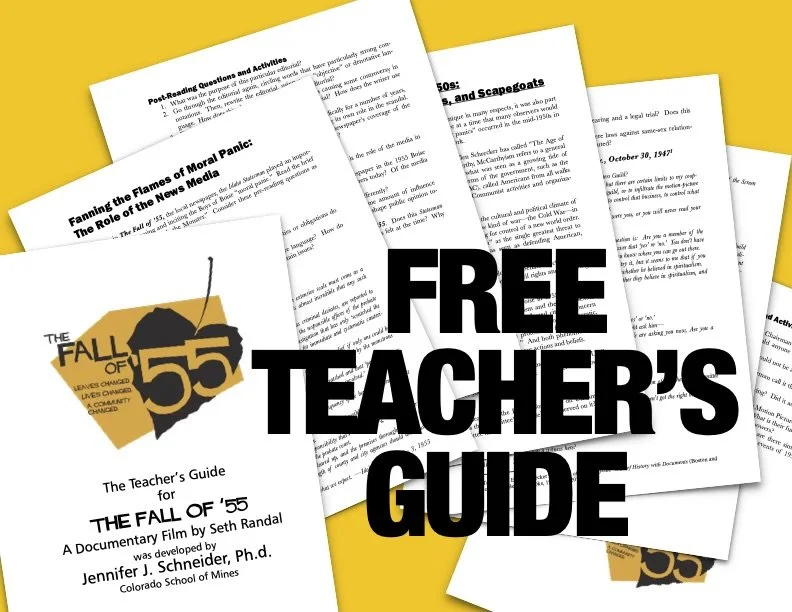
DOWNLOAD THE STUDY GUIDE
Rather than simply reviewing the documentary, the guide challenges students to analyze original historical documents; evaluate the role of the news media in shaping public opinion; explore the broader context of McCarthyism and the Lavender Scare; and consider how fear and moral panic can influence democratic institutions.
Whether you're teaching U.S. History, Government, Journalism, Sociology, Political Science, Media Studies, or LGBTQ History, these materials are designed to promote thoughtful discussion, critical thinking, and meaningful connections between the events of 1955 and issues that continue to resonate today.
Download the free seven-page study guide below, and if your class hasn't yet seen The Fall of '55, you'll also find information on how to rent or purchase the documentary for classroom or individual viewing.
A Note to Educators: This study guide was developed shortly after the film's original release in 2006. While classroom discussions about LGBTQ rights, media, and civil liberties have continued to evolve, the guide's historical analysis and discussion activities remain valuable starting points for examining this important chapter of American history.
EDUCATORS: Rent or Buy today
DIRECTOR AND CREW AVAILABLE FOR class discussions
WHAT EDUCATORS ARE SAYING:
the film stands as an excellent starting point for the historical context of homosexuality in contemporary America.
it creates a platform for discussion of broader questions related to community standards of morality verses individual rights.”
— EDUCATIONAL MEDIA REVIEWS ONLINE